Breaking the Capacity Ceiling
Jun 16, 2026

Amanda Tarno
Download the full case study to see how operational infrastructure helped Anthony DePersio more than double AUM while households remained stable.
Advisors Spend Just 41% of Their Time Supporting Clients and Prospects
According to Fidelity research, advisors spend just 41% of their time with clients and prospects, while the majority of their week is consumed by operational and administrative responsibilities.
As practices grow, operational complexity grows with them.
New clients create new service requests. More relationships require more coordination. More growth often creates more demands on the advisor's time.
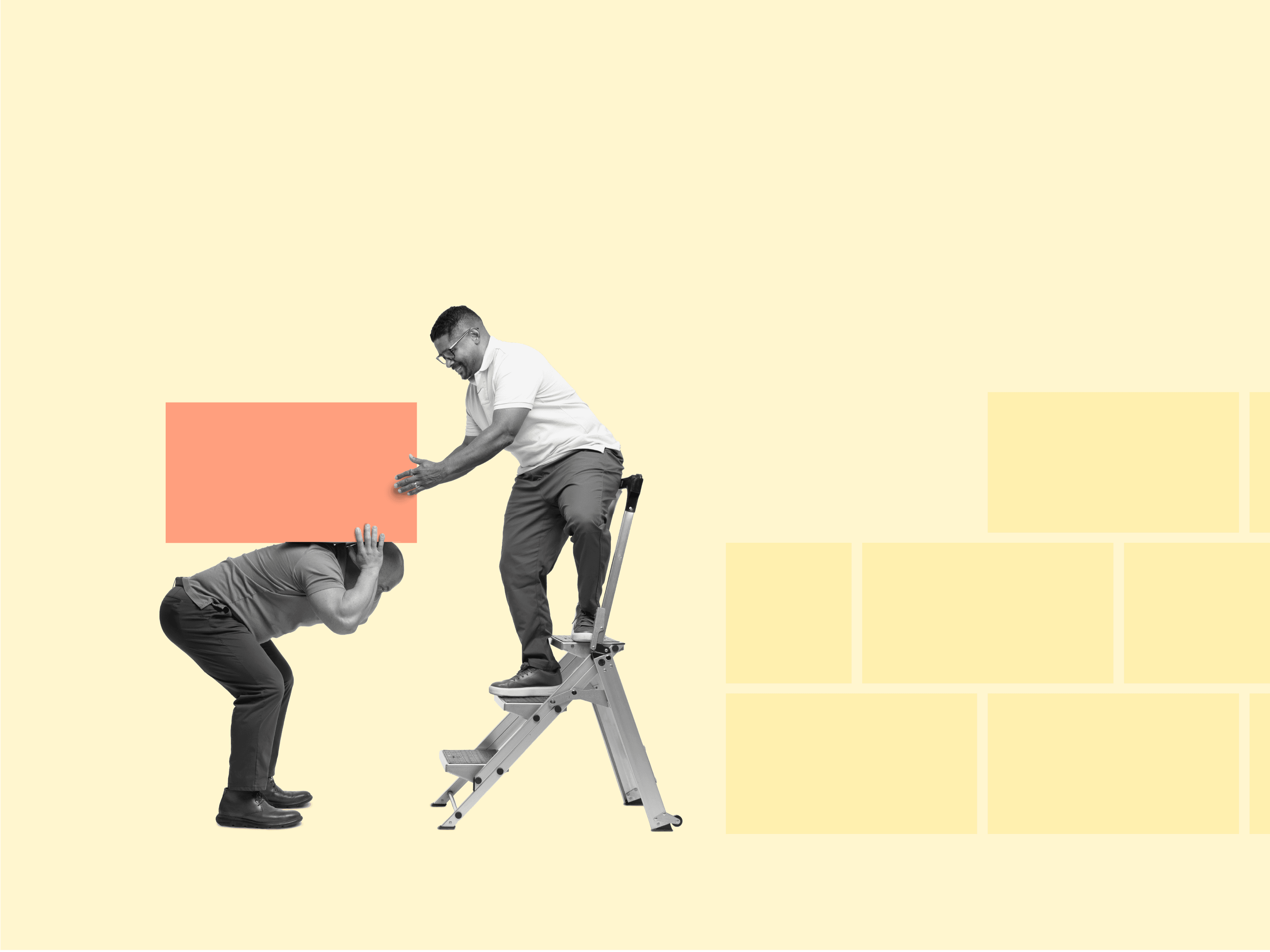
Eventually, capacity becomes the constraint.
A Real Advisor Story
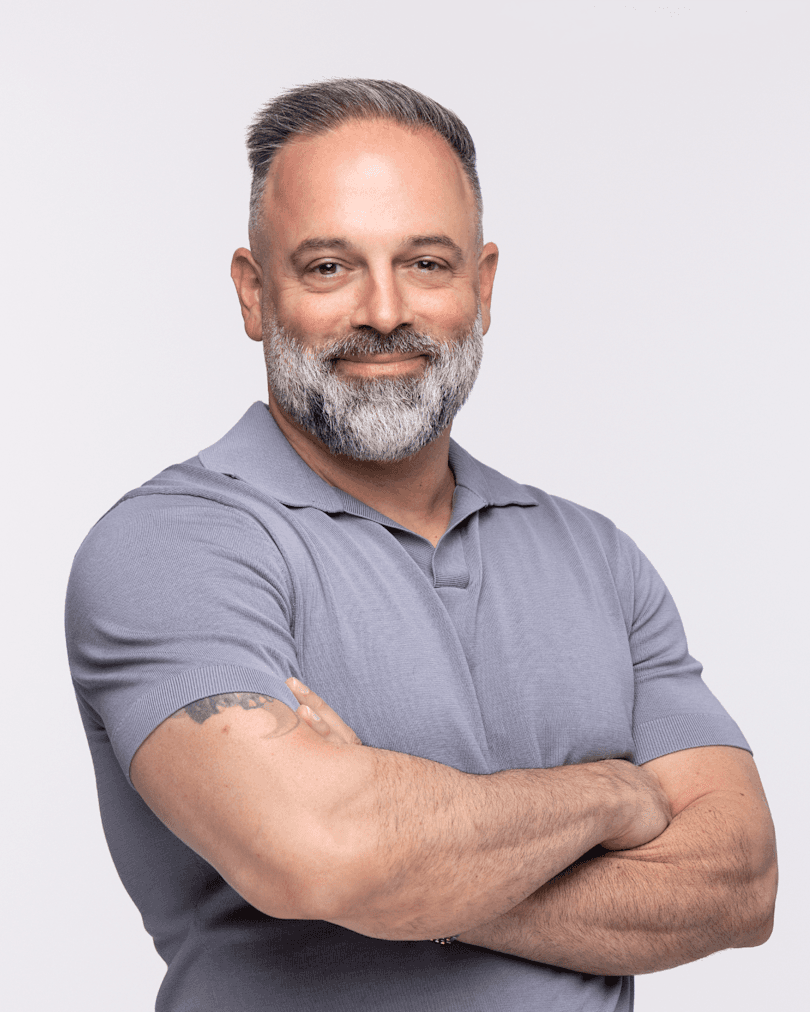
Anthony DePersio, CFP®, hit that point in 2023. His practice was successful and demand for his services continued to increase—but operational work had begun to consume a growing portion of his time.
As Anthony put it:
“I was at capacity with no ability to scale.”
See How It Actually Worked
Download the full case study to learn:
Why growth often stalls despite strong demand
The operational bottlenecks limiting advisor capacity
How Anthony shifted from operator to advisor
The structural changes that created room for growth
The business impact that followed
Download the full case study now.
Case Study Highlights
Over two years, Anthony achieved:
+$44M AUM Growth
2.27x Revenue Growth
While households and accounts remained relatively stable